


About one in three U.S. adults gets fewer than seven hours of sleep each night. Too little sleep can affect mood, focus, energy, and health.
Adult sleep hygiene includes daily habits and bedroom choices that support regular, restful sleep. It is not medical treatment, but healthy sleep habits may improve sleep quality. Most adults need at least seven hours each night, and sleep and overall health are closely linked.
Key Takeaways
- Most adults need at least seven hours of sleep each night.
- Sleep supports physical, mental, and emotional health.
- Too little sleep can affect mood, focus, and energy.
- Adult sleep hygiene includes routines and choices that support rest.
- Healthy sleep habits may help improve sleep quality.
Keep a Consistent Sleep and Wake Schedule
Going to bed and waking at about the same time each day helps keep your circadian rhythm on track. Keep weekends close to weekdays, changing your schedule by no more than about an hour.
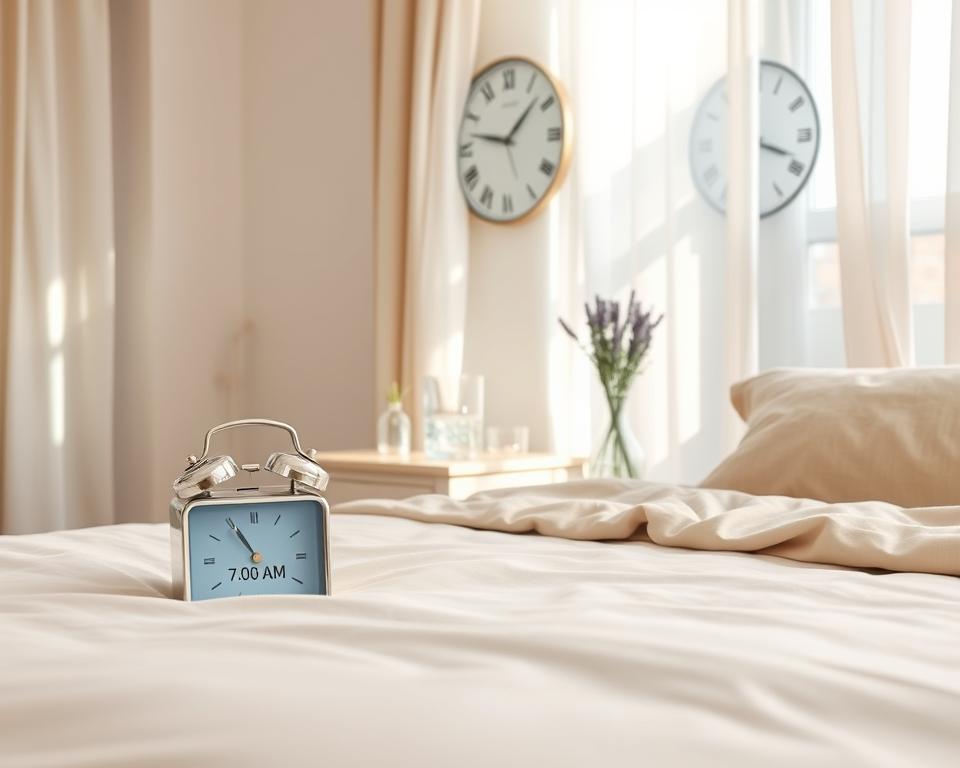
Choose a wake-up time you can maintain. A regular sleep-wake routine can help you fall asleep and wake up while supporting better sleep quality. Most adults need at least seven hours of sleep each night.
If your adult sleep schedule needs to change, adjust it in small steps. Move bedtime and wake time by 15 to 20 minutes each day until you reach your goal. This steady approach can help you keep a consistent nighttime routine.
Set Up a Bedroom That Supports Rest
A cool, dark bedroom can support a comfortable sleep environment and help you stay asleep. The ideal temperature for sleep is often 63 to 66°F, but comfort varies by person. Blackout curtains or an eye mask block light, while a fan or humidifier may improve airflow.

For bedroom noise control, try earplugs or soft white noise. Cover bright standby lights and silence nighttime alerts. Reserve your bed for sleep and intimacy, not work or TV.
Check your mattress and pillows for wear; many last about eight to 10 years. Choose a mattress that feels supportive for your body. Comfortable sleepwear may help, and warm feet can make rest easier.
One study found that wearing socks reduced nighttime awakenings.
Build a Calming Wind-Down Routine
A steady, quiet calming bedtime routine can help your mind shift toward rest. Set aside 30 to 60 minutes for relaxation before sleep, and repeat a few simple steps each night.
Choose quiet activities before bed
Take a warm shower, read a paper book, stretch gently, or play soft music. Skip work, email, stressful talks, and upsetting news. Jot down worries and one small step to handle tomorrow, a few hours before bed.
Try breathing and muscle relaxation
Breathe in for four counts and out for six for five to 10 minutes. You can also try progressive muscle relaxation: gently tense each muscle group, then let it go. These habits may ease tension as part of your sleep hygiene habits.
Use the bed only for sleep and intimacy
Keep work, TV, email, and social media out of bed. This form of stimulus control helps link your bed with sleep, rather than wakeful activity.
| Routine step | Simple option | Why it helps |
|---|---|---|
| Quiet activity | Read a paper book | Creates a calm pause before bed |
| Relaxation | Slow breathing | May ease body tension |
| Bed use | Reserve it for sleep and intimacy | Builds a stronger sleep cue |
Manage Light, Screens, and Evening Stimulation
Light sets your body’s sleep-wake clock. For circadian rhythm support, get natural light exposure in the morning. Spend 20 to 30 minutes outdoors within two hours of waking.
Bright evening light can delay your body clock and make feeling sleepy harder. About 90 minutes before bed, dim strong lights and use warmer, softer lamps. If you need a screen, lower brightness or turn on a night-shift filter.
Less screen time before bed can help you unwind. When possible, put devices away 60 to 90 minutes before sleep. Screens may keep you alert, and their light can make relaxing harder.
| When | Light habit | Why it helps |
|---|---|---|
| Morning | Spend 20 to 30 minutes outdoors | Helps anchor your sleep-wake rhythm |
| About 90 minutes before bed | Dim bright lights and use warmer lamps | Reduces exposure to strong evening light |
| 60 to 90 minutes before bed | Set screens aside when possible | Can ease alertness and support relaxation |
Time Caffeine, Alcohol, and Meals Carefully
What you drink and eat can affect your rest. Small changes to caffeine intake timing, alcohol and sleep, and evening meals can improve adult sleep hygiene.
Set a caffeine cutoff
Caffeine can linger for hours, so stop drinking it six to eight hours before bed. For many adults, one or two coffees early in the day is a useful limit.
Tea, soda, and chocolate can contain caffeine, too. Nicotine is a stimulant, so avoid it near bedtime.
Limit alcohol close to bedtime
Alcohol may make you sleepy at first, but it can disrupt sleep later and reduce REM sleep. This link between alcohol and sleep is easy to miss. If you drink, finish at least three to four hours before bed.
Finish heavy meals earlier
Try to eat dinner two to three hours before bed. Choose a light or moderate meal; heavy, fatty, or spicy foods may cause reflux or stomach discomfort. If bathroom trips wake you, cut back on fluids during the last hour before bed.
| Habit | Suggested timing | Why it may help |
|---|---|---|
| Coffee, tea, or soda | Stop six to eight hours before bed | Gives your body time to clear caffeine |
| Alcohol | Finish three to four hours before bed | May reduce sleep disruption later at night |
| Dinner | Eat two to three hours before bed | Allows time for digestion before lying down |
Get Enough Daylight and Movement During the Day
Morning daylight exposure helps set your body’s internal clock. Spend time outside soon after waking, even on cloudy days, to support healthy sleep habits.
Daily physical activity can help you feel relaxed at night. Aim for 150 minutes of moderate exercise, such as brisk walking, or 75 minutes of vigorous activity each week, spread across three to five days. For better exercise and sleep, finish intense workouts three to four hours before bed.
If you nap, limit it to 10 to 30 minutes and nap before 3 p.m. Longer or late naps may leave you groggy and make nighttime sleep harder.
Know What to Do When You Cannot Fall Asleep
If you have difficulty falling asleep, go to bed when sleepy, not only when the clock says bedtime. Lying awake too long can make bed feel like a place for worry, not rest.
Still awake and frustrated after about 15 to 20 minutes? Get up without checking the time. Sit quietly in dim light, then return when sleepy. This method, called stimulus control for sleep, can link your bed with sleep again.
After a poor night, keep your usual wake-up time, not sleep late. Sleeping in can shift your body clock and make sleep harder the next night. Need a nap? Keep it short before 3 p.m.; skip naps while resetting your schedule after insomnia in adults.
For nighttime awakenings, use the same calm steps: leave bed if frustrated, keep lights low, and return when sleepy.
| Situation | What to do | Why it helps |
|---|---|---|
| Not sleepy at bedtime | Wait until you feel drowsy before getting into bed. | Reduces time spent awake in bed. |
| Awake and frustrated | Get up, do a quiet activity in dim light, and return when sleepy. | Builds a stronger link between bed and sleep. |
| Poor night of sleep | Wake at your usual time; if needed, take a short nap before 3 p.m. | Helps keep your sleep schedule steady. |
Recognize When Sleep Problems Need Medical Care
Talk with a health care provider if sleep problems continue after routine changes or affect your rest. Persistent insomnia often means trouble sleeping at least three nights weekly for three months or longer.
Loud snoring with breathing pauses, ongoing pain, strong anxiety, or restless legs symptoms may need a clinical check. Shift work and severe sleep loss may require a sleep specialist. Sleep habits alone may not treat chronic insomnia or other sleep disorders.
Cognitive behavioral therapy for insomnia, or CBT-I, is a first-line treatment for chronic insomnia. It may help change habits, adjust time in bed, and address thoughts that keep you awake. Ask a clinician before taking sleep medication.
| Sign or concern | Next step |
|---|---|
| Sleep trouble three or more nights a week for three months | Discuss persistent insomnia with a health care provider. |
| Loud snoring or pauses in breathing | Ask about an assessment for sleep apnea. |
| Ongoing pain, restless legs, anxiety, or depression | Seek care to check for causes that may disrupt sleep. |
| Severe insomnia or sleep trouble linked to shift work | Ask whether a sleep specialist or CBT-I may help. |
Build a Sleep Routine You Can Maintain Consistently
Good sleep habits need not feel like strict rules. Start with two or three changes, such as waking at the same time or stopping screens before bed. You could also keep your room cool and dark for a sustainable sleep routine.
Stick with your changes for 10 to 14 days, then notice what helps. Small steps are easier to keep than a full routine that lasts only a week. Use what works to build consistent sleep habits and support long-term sleep improvement.
If sleep problems continue after two to four weeks, talk with a health care professional. They can help find the cause and create a personalized sleep plan that fits your needs.




