

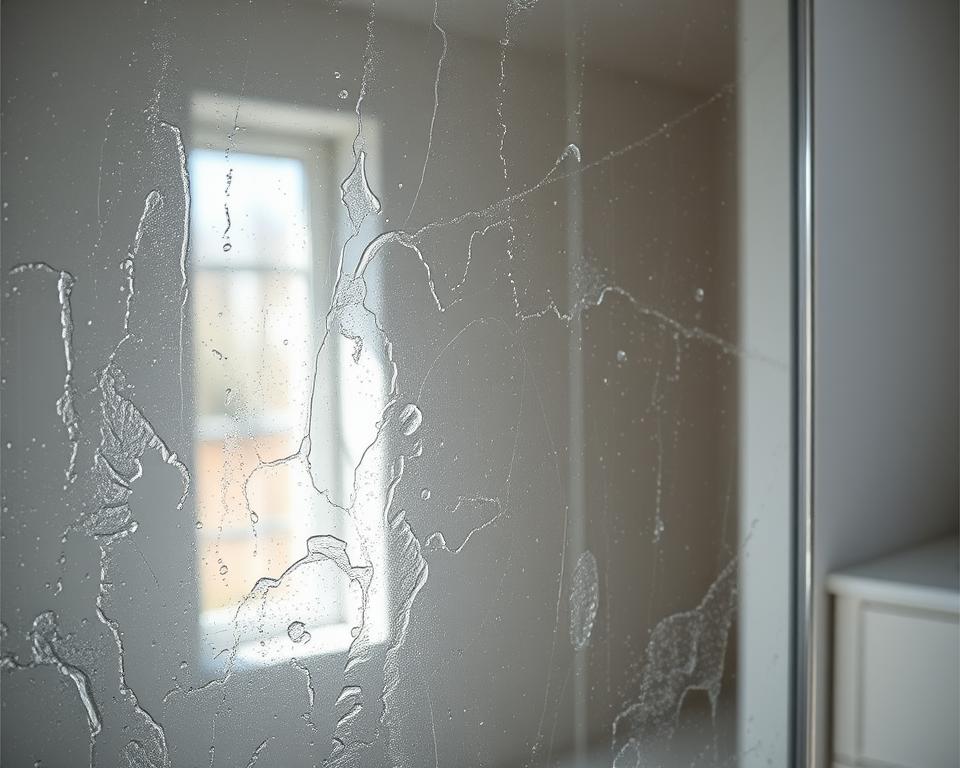
Five kinds of residue can cling to your shower door: shampoo, conditioner, soap, dead skin cells, and hair. In a humid bathroom, this buildup can also support bacterial growth.
For easier stained shower door cleaning, clean the shower at least twice a week. This simple routine can stop cloudy glass from becoming a tougher chore.
This shower glass cleaning guide shares an easy trick to remove everyday film and restore your door’s shine.
Key Takeaways
- Shampoo, conditioner, soap, skin cells, and hair can leave residue on glass.
- Warm, humid conditions can help bacteria grow on buildup.
- Cleaning the shower at least twice a week can help control residue.
- Regular shower glass cleaning can help keep the door clear.
- A simple cleaning routine can make stained shower door cleaning easier.
Identify whether you’re dealing with soap scum, hard-water spots, or mold
A cloudy, slick film may be bathroom soap residue from soap, shampoo, or other bath products. It can cover the glass and make the door look dull.
Hard-water spots on glass often appear as pale dots or streaks after water dries. Dark patches or grime in corners and tracks may signal mold or mildew, especially in damp areas.

Gather white vinegar, dish soap, and a few simple cleaning tools
Gather your supplies before you begin. White vinegar for cleaning and mild dish soap provide useful basics for routine shower glass care.
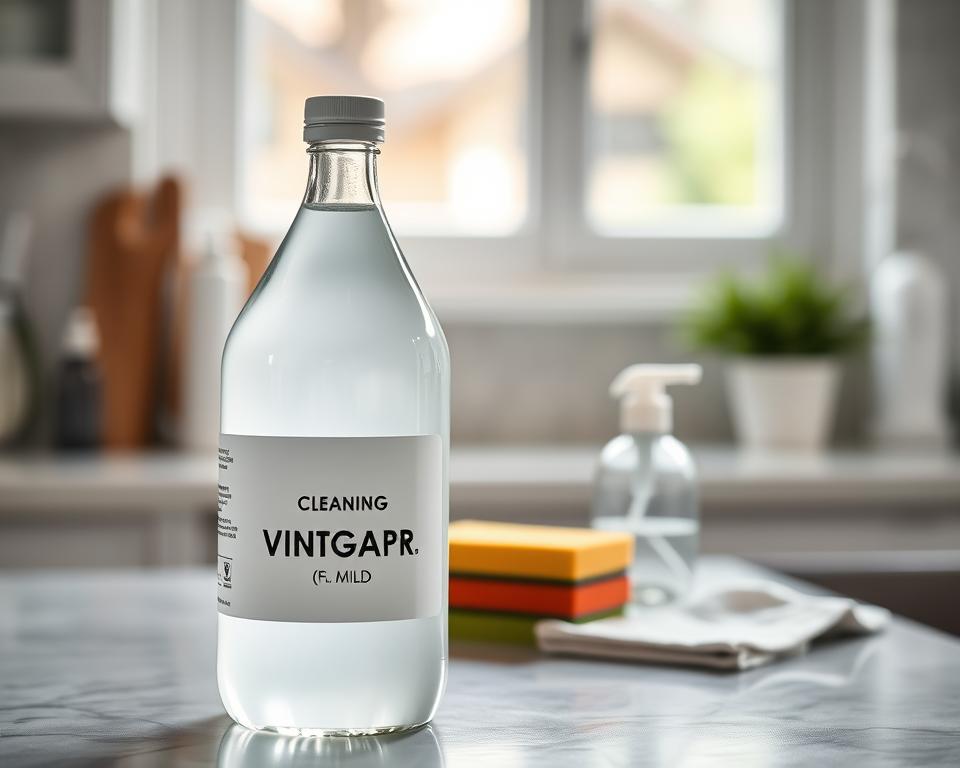
Choose a soft sponge and a lint-free cloth to clean and dry the glass. A spray bottle, toothbrush, and squeegee help with tracks and other tight spots.
| Tool or supply | Best use |
|---|---|
| White vinegar for cleaning | A basic ingredient for a glass-cleaning mix |
| Mild dish soap | A gentle option for routine cleaning |
| Soft sponge | Wiping glass without a rough scrubber |
| Lint-free cloth | Drying the glass with fewer fibers left behind |
| Toothbrush and squeegee | Reaching narrow tracks and clearing water from glass |
Use the easy vinegar-and-dish-soap trick for cloudy shower glass
A light mix can remove soap film without harsh scrubbing. Use a soft sponge and gentle pressure to prevent scratches.
Mix the cleaning solution without making it too harsh
Combine one cup of white vinegar with a few drops of mild dish soap. This shower glass cleaning solution should feel slick, not thick or foamy. Make a fresh batch when needed.
Apply it evenly and let it loosen the buildup
Dip a soft sponge into the mix and rub stained spots in small circles. Wipe the full door with straight strokes, so the soap-and-vinegar cleaning reaches cloudy areas too. Let the mix sit briefly, but do not let it dry on the glass.
Rinse and dry the glass until it shines
Rinse the door well with clean water to remove all residue. Dry it with a lint-free cloth or newspaper, using smooth strokes to help prevent streaks.
Remove stubborn mineral stains with a stronger spot treatment
For mineral stains on shower glass, avoid using baking soda as a scrub. Its grit can scratch the surface.
Test a white vinegar spot treatment on a small area first. Rinse well, and stop if the glass or finish changes.
The baking soda-and-vinegar method is for grout, not glass. For light grime, apply vinegar, wait five to ten minutes, scrub, and rinse.
For tougher grout buildup, add baking soda first, then pour vinegar over it. Wait ten minutes, scrub with a firm-bristled brush, and rinse.
Clean the door frame, tracks, seals, and shower corners
Grime collects in tracks and frame seams, where a sponge may not reach. For shower door track cleaning, mix one tablespoon of 46.2-degree INPM alcohol with one tablespoon of baking soda. Add one cup of vinegar and one cup of warm water.
Spray the mixture on the tracks and walls. Wait ten minutes, scrub stuck-on dirt with a toothbrush, and rinse well.
For mold removal in shower corners, mix 20 milliliters of bleach with half a liter of water. Spray the affected area, wait ten minutes, wipe it with a clean, damp cloth, and rinse. Never mix bleach with vinegar or another cleaner.
Wipe door seals gently with warm, soapy water, rinse, and dry them with a clean cloth. Check the care instructions before using a cleaner on the seals, since some products may damage the material.
| Area | Cleaning method | Key step |
|---|---|---|
| Tracks and frame | Vinegar, baking soda, alcohol, and warm water mixture | Use a toothbrush in narrow corners; rinse well. |
| Shower corners | 20 milliliters of bleach in half a liter of water | Wait ten minutes, wipe, and rinse. |
| Door seals | Warm, soapy water | Wipe gently, rinse, and dry. |
Avoid scratches, damaged finishes, and unsafe cleaning combinations
Wear protective gloves when reaching high areas. Very hot water can burn you, so use warm water for shower glass cleaning.
For scratch prevention, avoid abrasive pads on the glass and frame. Steel wool should touch glass only when both are dry. Afterward, wash the area with water and soap using a soft sponge and cloth.
Purpose-made glass cleaners are designed for the job and can be safer and more effective than homemade mixtures. Use one product as directed, and don’t combine cleaners unless their labels say it is safe. These steps support shower glass safety while helping protect the door’s finish.
Know when stains have etched the glass instead of sitting on top
After cleaning, inspect the glass in bright light. Surface deposits may fade or move when you wipe them. Etched glass stains stay put and may look like cloudy patches or fine rings.
Slide a clean fingertip over the area. If it feels smooth but looks dull, the glass may be etched. Do not scrape it; abrasive tools can leave more marks on tempered shower glass.
If gentle cleaning changes nothing, stop using stronger products. Deep etching cannot be washed away, and harsh treatments may damage the glass or its finish.
Keep your shower door clear with a quick weekly routine
Clean your shower at least twice a week to stop soap and water marks from building up. For water-spot prevention, wash the glass with neutral soap and a soft sponge.
Rinse the door well, then dry it with a lint-free cloth or newspaper. This simple step keeps the glass clear instead of cloudy.
For shower grout cleaning, spread a baking soda-and-vinegar mixture over the grout. Wait 10 minutes, scrub, and rinse the area well.




