


Only about 1 in 4 U.S. adults meet weekly guidelines for both aerobic and strength activity. If you are new to exercise, light exercises for beginners can help you build a steady habit without doing too much.
A good beginner workout plan starts with simple moves and good form. Try short, full-body sessions about three times a week, with rest days between them. Choose a safe exercise pace that lets you move with control and finish feeling comfortable.
Key Takeaways
- Start with easy movements and focus on good form.
- Short workouts can help you build consistency.
- Leave time to rest and recover between sessions.
- Increase your effort gradually as you feel stronger.
Check Your Starting Point Before You Exercise
A beginner fitness assessment starts with simple questions: How active are you now? Do you have pain, balance concerns, or health issues affecting movement? If exercise safety is unclear, check with a health professional.
Choose a balanced, full-body plan using light or moderate effort. This lets you practice basic movements without too much strain. Focus on exercise technique first, then add weight or harder moves when you feel steady and comfortable.

Gradual training gives your body time to adjust. Start at a manageable pace, then build slowly as the movements become easier.
Warm Up Gently Before Each Workout
A gentle warm-up before exercise gives your body time to adjust. Begin at an easy pace with smooth, comfortable movements.
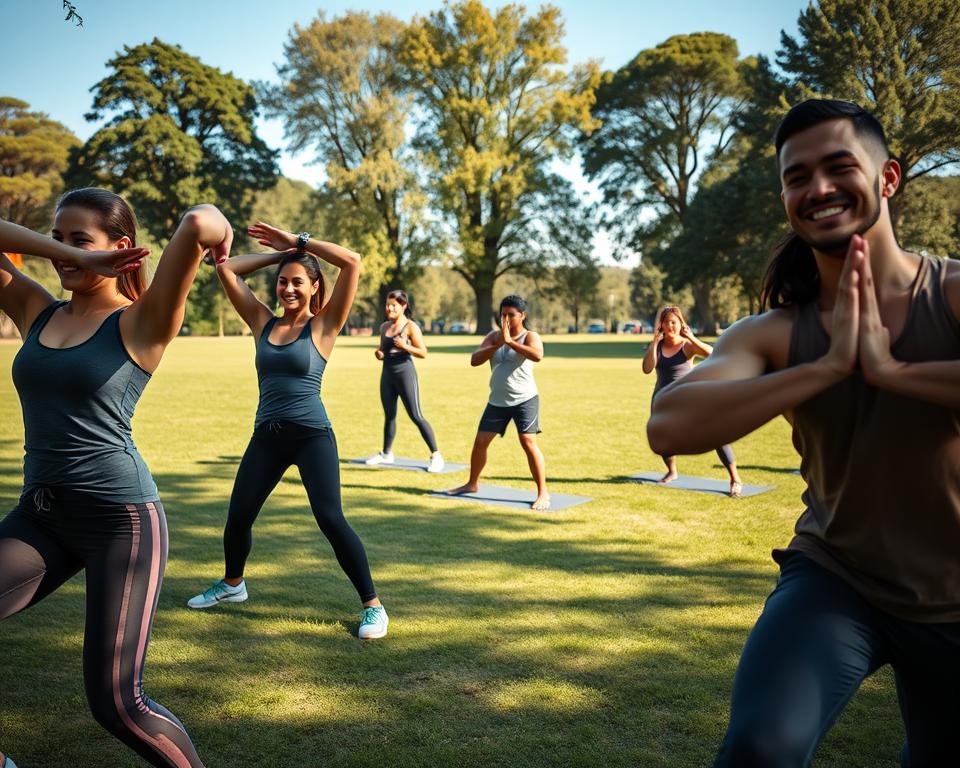
A light cardio warm-up may include a relaxed ride on a stationary bike or an easy treadmill walk. Beginner plans may include 10 minutes on a bike or 10 to 12 minutes on an inclined treadmill. Keep your pace comfortable.
Try dynamic stretching with slow arm circles or gentle knee lifts. Move within a range that feels good, and stop if you feel pain or dizziness.
Try Low-Impact Cardio to Build Stamina
Cardio can build stamina without hard jumps or fast moves. Choose an activity that feels steady and lets you control your pace.
Easy walking and marching in place
Try moderate-pace walking on a flat path or around your home. Keep your steps relaxed, and shorten your walk if you feel tired. Marching in place is another simple choice when space is limited.
Low-impact dancing and step-touches
Play a favorite song and step from side to side. Keep one foot on the floor, and use small steps. This low-impact workout can feel fun while helping you stay active.
Beginner-friendly cycling and water exercise
Start beginner cardio with 10 minutes on a stationary bike at a comfortable pace. You can try a gentle incline treadmill walk or a few minutes on an elliptical as your stamina grows. Water exercise is another easy-on-the-joints option; move at a pace that feels safe and steady.
Build Basic Strength Without Heavy Weights
Start with slow, steady movements, using a chair or wall for support when needed. Bodyweight strength training helps you practice good form. Light resistance exercises gently work your muscles.
Chair squats and supported leg exercises
Sit near the front of a sturdy chair, then stand at a calm pace. Sit back down with control. Hold the chair or counter while practicing leg lifts or knee bends.
Wall push-ups and light upper-body moves
Place your hands on a wall at chest height and step back slightly. Bend your elbows to bring your chest closer, then press away. During a guided machine routine, do seated rows and chest presses for three sets of 12 reps with a manageable load.
Glute bridges and beginner core exercises
Lie on your back with knees bent and feet flat. Lift your hips, pause, then lower with control. One guided routine pairs glute bridges for three sets of 12 with abdominal work and short side planks. Adjust the effort to support beginner strength, and stop if you feel pain.
Improve Mobility and Balance With Simple Moves
Small, steady movements can improve joint mobility and help you feel steadier on your feet. Keep a chair or counter nearby, and stop for pain, dizziness, or unusual strain.
Gentle stretches for stiff joints and muscles
Try gentle stretching after a short warm-up. Roll your shoulders, reach overhead with one arm, or extend one seated leg. Move only within comfort, and breathe through each stretch.
Supported balance exercises for steady movement
For beginner balance exercises, stand behind a sturdy chair and hold its back. Shift your weight between your feet, or lift one heel at a time. Use slow, controlled motions, and rest before you feel tired.
| Move | How to do it | Support |
|---|---|---|
| Seated leg extension | Straighten one knee, pause, then lower your foot. | Sit tall in a sturdy chair. |
| Side-to-side weight shift | Shift your weight gently from one foot to the other. | Hold a counter or chair. |
| Heel raise | Lift both heels, pause, then lower them slowly. | Stand behind a sturdy chair. |
Follow a Simple 10-Minute Beginner Routine
Use this 10-minute beginner routine as a cardio add-on after guided strength exercises, not as a full workout. Ride a stationary bike for 10 minutes at an easy pace you can maintain. Comfortable cycling lets you keep moving without strain.
For another short option, try the eight-minute circuit below. Allow time between training sessions for muscle recovery, and take a break if you feel pain or dizziness.
| Plan | Activity | How to do it |
|---|---|---|
| Day 1 cardio | Stationary bike, 10 minutes | Ride at a steady, comfortable pace after guided strength exercises. |
| Day 3 circuit | Bike and elliptical, 8 minutes | Alternate one minute on the bike with one minute on the elliptical. Repeat the four-minute pair twice. |
Use the Talk Test to Choose the Right Intensity
During cardio, try saying a full sentence out loud. If you can speak without gasping, your pace is likely manageable. If talking feels hard, slow down or take a short break.
This simple check helps you find a comfortable cardio intensity without chasing a specific heart rate during activity. You do not need a heart-rate target to get started.
For beginner exercise pacing, start with light effort and focus on smooth, steady movement. On a stationary bike, choose an easy pace; on other cardio days, build toward moderate effort as you feel ready. Keep good form, and ease off if you feel dizzy, unusually short of breath, or unwell.
Progress Slowly as Your Body Adapts
A steady plan helps you build a lasting habit. A beginner training frequency of three workouts per week offers regular practice and rest between sessions.
Mix full-body strength work with light cardio, or alternate strength days, cardio days, and easy circuits. Keep your form smooth, choose comfortable loads, and raise effort slightly on your third workout. Stay within your comfort zone.
Gradual exercise progression works best when you allow time for muscle recovery. Get enough sleep, drink water, and take rest days when needed. If soreness lingers or a move causes pain, ease back and give your body more time.
Keep Exercise Safe, Comfortable, and Consistent
A safe beginner exercise plan can combine easy cardio, basic strength moves, and gentle mobility work. Learn good form before adding weight. If you use weights, start light and keep a steady pace.
Aim for three short sessions each week, with time between them for recovery and rest. Drink water, sleep enough, and ease off if you feel pain or unusual fatigue. A personal trainer can check your form and help choose a pace that fits your needs.
Keep your routine simple, so you can repeat it more easily. Small steps can build consistent workout habits and make exercise feel more comfortable over time.




