


U.S. homes use about one-fifth of the nation’s energy. Small choices can add up without a major renovation to reduce energy consumption at home. Close the fridge quickly, plan laundry loads, and use air conditioning wisely to save on home energy bills.
These everyday energy-saving habits can fit into routines you already follow. A few mindful changes may lower energy use without replacing every appliance.
Key Takeaways
- Small daily choices can reduce household energy use.
- Close the refrigerator door as soon as you can.
- Combine laundry into planned, full loads.
- Use air conditioning thoughtfully.
- Shorter showers and unplugging unused electronics can help.
Find out where your home uses the most energy
A home energy audit begins with simple clues: your utility bill, meter readings, and daily appliances. Study patterns before you make changes. Seasonal heat or cold can increase household electricity use as air conditioners, water heaters, and refrigerators work harder.
Read your utility bill for usage patterns
Compare usage details on recent bills. See whether electricity use rises during hot or cold months. A change may show extra air conditioning, longer hot showers, or other seasonal demands.
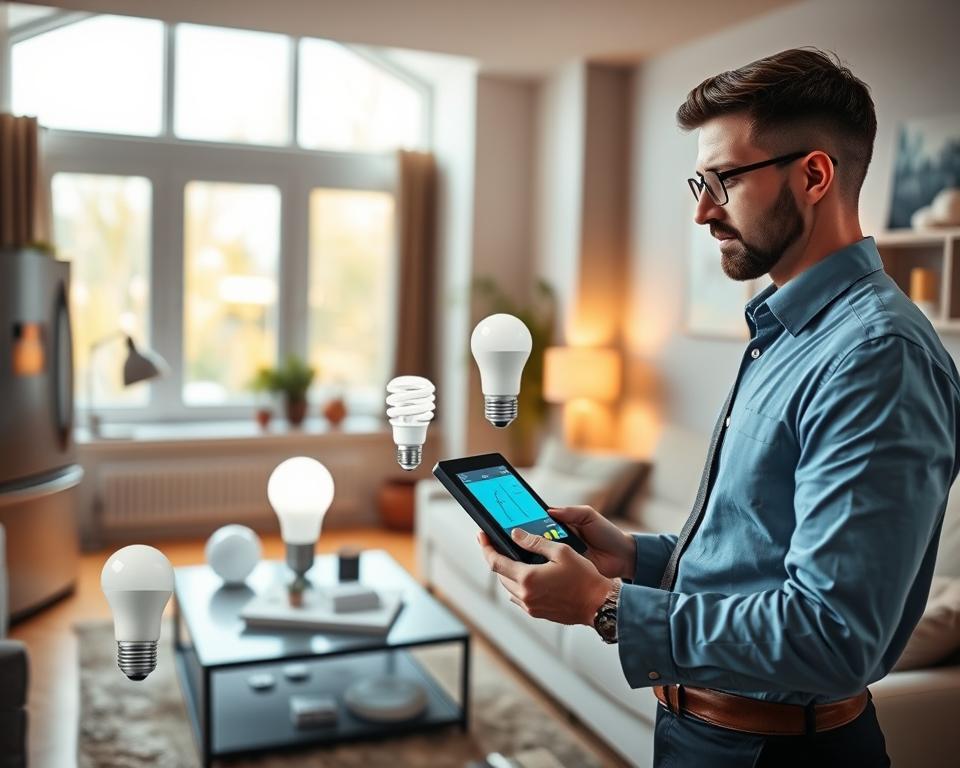
Check your smart meter or energy monitor
If you have a smart meter or energy monitor, use it to track rising power use. Check readings at different times and note what is running. This energy monitoring can connect spikes with daily routines.
Look for high-use appliances and rooms
Electric water heaters, air conditioners, refrigerators, clothes irons, and washing machines can use lots of power. Notice where and when you use them. A room-by-room check can spot habits or equipment for a closer look.
| Clue | What to check | Why it helps |
|---|---|---|
| Utility bill | Changes in use across recent months | Can reveal seasonal shifts in household electricity use |
| Meter or monitor | Times when readings rise | Can link higher use to appliances or routines |
| Appliances and rooms | Use of water heaters, air conditioners, and laundry machines | Can point to areas for a closer home energy audit |
Set your thermostat to use less energy
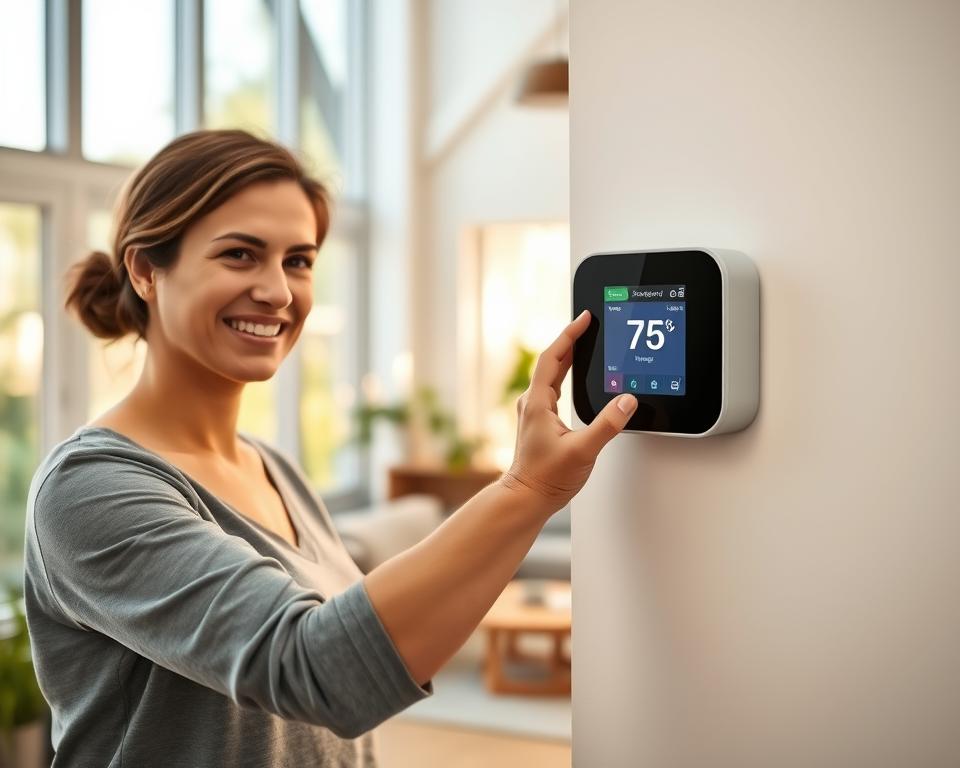
Small thermostat changes can ease strain on your cooling system. Thoughtful air-conditioning temperature settings keep you comfortable without making the unit work harder.
Adjust settings when you’re home
Set the air conditioner to a comfortable temperature instead of the lowest setting. A very low setting will not cool a room faster; it can make the system run longer. Close doors and windows while it runs to keep cool air inside.
Use energy-saving settings while you sleep or leave
When you go out or head to bed, adjust the setting for your changed routine. A programmable thermostat can make these changes for you. Small adjustments can reduce energy consumption at home while keeping your space comfortable.
Stop heated and cooled air from escaping
Small gaps let heated or cooled air escape outdoors. Simple habits help your home keep a steady temperature and reduce strain on your HVAC system.
Seal gaps around doors and windows
Check for drafts near window frames and exterior doors. Sealing windows and doors with weatherstripping or caulk helps block unwanted airflow. Keep doors and windows closed while the air conditioner runs.
Close curtains and blinds at the right times
Close curtains or blinds when strong summer sun warms a room. On cold nights, close them to help hold warmth indoors. Attic insulation can slow heat transfer through the roof and support a more even indoor temperature.
Replace dirty HVAC filters regularly
Dusty filters restrict airflow, so heating and cooling equipment may run longer to reach the set temperature. Check the filter regularly and replace it when it looks dirty. Steady HVAC filter maintenance helps keep air moving through the system.
Use less hot water without changing your routine
Electric water heater use can add up, especially when showers last a long time. Choose shorter showers to cut electricity use because the heater runs for less time.
On hot days, try the shower’s summer setting if it has one. It can provide comfort with less heating and support hot-water energy savings without changing your routine much.
Make lighting more efficient room by room
Small lighting habits can improve efficient home lighting in every room. Switch off lights when you leave, and use natural daylight when the sun is out.
Turn off lights in empty rooms
When you leave a room, flip the switch if no one else uses it. This simple step stops lights from running when they are not needed.
Use daylight before switching on lamps
Open curtains or blinds to use natural daylight during the day. Place desks and reading spots near windows when practical, so you rely less on lamps.
Replace frequently used bulbs with LEDs
LED bulbs are a practical choice for fixtures you use often. Replace those bulbs as they burn out, and check that each new bulb fits the fixture and gives the kind of light you want.
| Room | Lighting habit | When it helps |
|---|---|---|
| Kitchen | Turn off overhead lights when the room is empty. | Between meals or after cooking |
| Living room | Open curtains and use daylight near windows. | During bright daytime hours |
| Bedroom | Switch off lamps when leaving. | When the room is unoccupied |
| Home office | Use LED bulbs in frequently used fixtures. | For regular work or study |
Cut standby power from electronics
Standby power consumption comes from devices that stay plugged in when unused. A television with a glowing indicator or microwave clock can use power while off.
Unplug electronics you will not use for a while, such as spare chargers or small appliances. This simple habit can help reduce energy consumption at home.
Run laundry with less energy
A few simple choices can make laundry day more efficient. Plan full laundry loads, choose the right wash cycle, and avoid extra drying when possible.
Wash clothes in cold water
Choose cold water for everyday loads when the fabric and care label allow it. Match the cycle to the clothes’ soil level; long or heavy settings may run longer than needed.
Measure detergent instead of adding extra. Too much detergent can leave suds and cause extra rinses, which use more time and energy.
Use full loads and shorter drying times
Wait for full laundry loads instead of washing only a few items. Plan laundry days to avoid extra wash cycles. Efficient washing machine use means matching the cycle to the load and soil level.
Use a strong spin cycle before drying if the fabric allows. It removes more water and may create shorter dryer cycles. Check clothes near the cycle’s end, so you do not dry them longer than needed.
Air-dry clothes when practical
Hang items on a drying rack or clothesline when time and space allow. Air-drying works well for lighter pieces. A dryer may suit bulky loads or a quick turnaround.
| Laundry choice | Energy-saving approach |
|---|---|
| Wash cycle | Use cold water and a cycle suited to how dirty clothes are. |
| Load size | Wait for a full load to avoid running extra cycles. |
| Drying | Spin clothes well, check them early, or air-dry when practical. |
Get more from your dishwasher
Simple choices make dishwasher use more efficient. Start with the load, cycle, and drying setting.
Run it only with a full load
Wait until enough dishes fill the machine. Full dishwasher loads use each wash cycle better and support household appliance efficiency.
Skip heated drying when dishes can air-dry
Choose an air-dry option when available, or open the door after washing if safe. Skipping heated drying supports efficient dishwasher use.
Cook meals with less energy
Small choices at the stove make cooking more efficient without changing the menu. Try these simple habits to reduce kitchen energy use.
Match the pan to the burner
Choose a pan that fits the burner. A small pan on a large burner wastes heat, while a pan covering it directs heat where needed.
Use a microwave, toaster oven, or air fryer for small meals
For a small portion, use a microwave, toaster oven, or air fryer instead of a full-size oven. This choice supports home appliance efficiency.
Keep the oven door closed while cooking
Every time you open the oven, heat escapes. Use the oven light to check food and a timer when possible. These efficient cooking habits keep heat inside as your meal cooks.
| Cooking choice | Useful habit |
|---|---|
| Stovetop | Use a pan that fits the burner. |
| Small meal | Choose a microwave, toaster oven, or air fryer. |
| Oven | Check food through the window and keep the door closed. |
Keep your refrigerator and freezer efficient
Group food by type and use frequency. Keep snacks and drinks easy to reach, so you can open and close the door quickly. Let hot food cool before refrigeration; the appliance will use less energy maintaining its temperature.
Set the thermostat to a safe, steady level instead of making it colder than needed. Check the refrigerator door seal for cracks or loose spots. A weak seal lets warm air in and makes the motor run more often, which can reduce refrigerator efficiency.
When replacing an older model, compare ENERGY STAR-certified appliances with features that meet your household’s needs.
Use fans, shades, and daylight before turning on HVAC
Open curtains for natural daylight, and turn off lamps you do not need. Close shades on sunny windows to limit indoor heat. Keep doors and windows shut while the air conditioner runs, so cooled air stays inside.
Clean fan blades and follow air-conditioner filter maintenance. Dust and clogged filters restrict airflow and make cooling less effective. A clean fan moves air better, so you may feel comfortable at a higher thermostat setting.
Several high-power appliances running together can increase your home’s electricity load. Check your utility’s time-of-use electricity rates, if offered, and spread appliance use across the day when practical.
| Habit | What to do | Why it helps |
|---|---|---|
| Use daylight | Open curtains when outdoor light is useful. | Reduces the need for electric lighting. |
| Manage indoor heat | Shade sunny windows and keep doors and windows closed while cooling. | Helps limit heat gain and cooled-air loss. |
| Maintain airflow | Clean fan blades and check the air-conditioner filter. | Supports steady airflow through the room. |
| Spread appliance use | Run high-power devices at different times when practical. | Can reduce simultaneous household demand. |
Turn simple energy-saving habits into a weekly routine
Small changes last longer when they become part of your weekly energy-saving routine. Choose one day to organize the fridge, plan laundry, clean appliance filters, and check door and window seals. A quick home energy audit can reveal other habits worth changing.
Take short showers and unplug electronics you will not use soon. Ask everyone at home to follow the same routine. These choices are easier to keep when they fit tasks you already do.
When an appliance needs replacing, compare energy labels and smart features. Choose energy-efficient appliances sized for your household instead of paying for unused space. A steady routine helps your home use energy more wisely.




