


Research from the University of South Australia says some habits take a week to form. Others may take several months. Steady practice matters more than a perfect routine or a 21-day deadline.
Heavy screen use, busy workdays, and home tasks can leave you feeling drained. Simple habits for more daily energy may help you feel alert without adding chores. Start small because healthy routines are easier to keep when they fit your day.
Many daily energy habits follow a simple pattern: a cue prompts an action, and a reward encourages repetition. Choose one small change and practice it often. Over time, it can become part of your routine.
Key Takeaways
- Energy can be affected by work, screen time, and home demands.
- Habits may take a week to several months to form.
- Consistency matters more than a fixed deadline.
- Start with one small change that fits your day.
- A cue and a satisfying result can help a habit stick.
Set a consistent sleep schedule before adding more energy hacks
Before trying new energy tips, give sleep a steady place in your day. Most adults need 7 to 9 hours each night, and the CDC recommends at least 7. Going to bed and waking up at similar times can support your circadian rhythm.
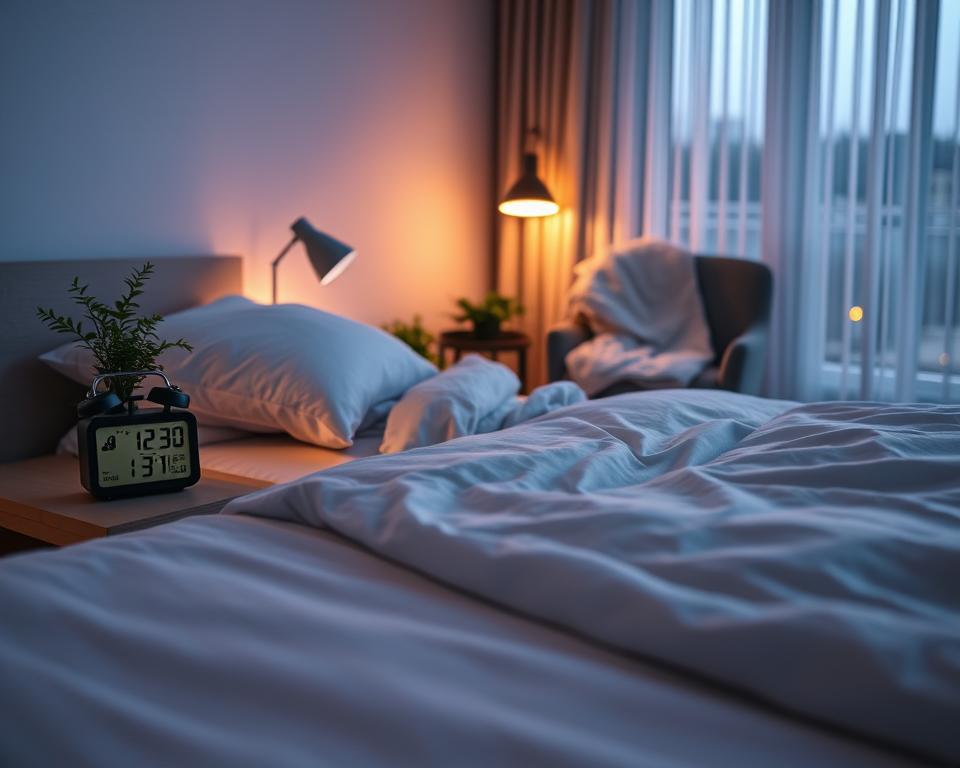
A regular sleep routine can make winding down easier. Late caffeine, alcohol, heavy dinners, late work, and screen use may disrupt sleep. Exercise near bedtime and sugary drinks can also make settling down harder.
For one week, note your sleep times and daytime energy. This record may reveal patterns worth changing. If you often feel tired after eight hours, talk with a health professional about sleep quality and other possible causes.
Get morning light and gentle movement within your first hour
Step outside after waking, even for a few minutes. Natural light exposure offers a simple way to begin your morning routine. Sit on a porch or take a short walk if weather allows.

Pair morning movement with an easy task, such as walking the dog or getting coffee. A calm start can help build a routine that fits your day and supports your circadian rhythm.
Drink enough water before reaching for another coffee
Even mild dehydration can make you feel sluggish. Water carries nutrients, lubricates organs, and controls body temperature. When energy drops, drink a glass of water before getting more coffee.
Adults commonly need about 2 liters of water daily, but needs vary by age, body size, and activity. One estimate suggests 35 milliliters per kilogram of body weight. For a 70-kilogram adult, that equals about 2.45 liters.
Spread your water intake across the day rather than drinking much at once. Keep a bottle nearby, and drink more when heat, air conditioning, exercise, or sweating increases fluid needs. Coffee and alcohol can also affect your habits and fluid needs.
Electrolytes, including sodium, potassium, and magnesium, help balance fluids and support muscle and nerve function. Your needs vary with heat, workout length and effort, and sweat loss. Most routines need steady hydration throughout the day, not a special drink.
| Situation | Simple hydration step | What to consider |
|---|---|---|
| Regular day | Sip water with meals and keep a bottle nearby. | Personal needs vary; use thirst as one cue. |
| Hot weather or air conditioning | Drink regularly and check in with thirst. | Heat and dry indoor air may affect fluid needs. |
| Exercise or heavy sweating | Drink before and after activity, then adjust as needed. | Electrolytes may matter more with long, intense sessions or heavy sweat loss. |
Build meals that keep your energy steady
Regular meals with fruit, vegetables, grains, and protein can reduce rushed food choices. These balanced meals include carbs, protein, fiber, and some fat, helping you stay satisfied longer.
Add protein and fiber to your main meals
Carbs give your body energy, especially when you move or exercise. Pair rice, oats, or fruit with protein and fiber from beans, eggs, yogurt, vegetables, or nuts.
Keep simple snacks ready for busy days
Plan healthy snacks for times when you often feel a slump. Try fruit with yogurt, bread with eggs or cheese, or oats with a protein-rich topping.
You do not need to avoid every processed food. Choose fresh, minimally processed options when they fit your day.
Use caffeine earlier so it does not disrupt your sleep
Caffeine can sharpen focus and help you feel alert. Watch caffeine timing: late-afternoon coffee may make falling or staying asleep harder.
Try your last coffee at least eight hours before bed. Sensitivity varies, so notice how your sleep responds. If you wake often or feel tired in the morning, cut back or drink coffee earlier.
Better restorative sleep can support steadier daily energy.
Break up long periods of sitting with short movement breaks
Long periods at a desk can leave you tired and overloaded. Take short rest breaks and movement breaks to stand, stretch, or walk before working again.
A few minutes outside for fresh air and sunlight can help you reset. Slow breathing can also support stress management.
Step away from work with a hobby, such as listening to music, cooking, painting, or practicing yoga. A brief change of focus can help you return with fresh energy.
Choose exercise that leaves you energized, not depleted
Regular physical activity can lift your mood and ease stress. Choose an activity you enjoy, such as dancing, sports, martial arts, running, or a gym workout. The best choice is one you can repeat without feeling worn out.
Take easy walks on low-energy days
When your energy is low, try a relaxed walk instead of a hard workout. Keep a comfortable pace, and let fresh air and gentle movement help you reset. Walking still counts as meaningful activity, even when you take it easy.
Add strength training a few times a week
A few strength sessions each week can become a useful routine. Start at a manageable level, then give your body time to adapt.
Exercise recovery matters: sleep, food, water, and rest help your body respond to training. Too much, too soon can leave you sore, tired, or less able to perform.
Reduce the mental habits that quietly drain your energy
Heavy screen use, demanding work, and daily chores can wear you down. Too much information can increase that burden. Small changes to your screen habits can protect mental energy and support stress management.
Turn off nonessential notifications
Each alert can pull your attention from the task at hand. Turn off alerts that do not need an immediate reply. Check messages at set times to support better screen habits.
Group similar tasks instead of constantly switching
Switching between work, messages, and chores can make focus harder. Set short blocks for similar tasks, such as answering email or paying bills. Step away for a relaxing hobby when the day feels full and your mental energy drops.
Make your workspace support alertness throughout the day
Keep a water bottle where you can see it to support hydration throughout the day. Use a phone reminder when work gets busy. Small cues like these make it easier to stay alert.
Spending long periods at a screen can increase mental fatigue. Take short screen breaks to walk or step outside for sunlight. These pauses can help protect your workday energy. At night, limit screen use before bed to support better sleep.
Adjust the routine when low energy keeps showing up
For seven days, try energy tracking with your usual routine. Note sleep, water, meals, exercise, caffeine, and each energy dip. A simple log can reveal patterns, such as a slump after a short night or skipped lunch.
Persistent fatigue or unusually intense tiredness may have a health-related cause. Nutritional deficiencies, anemia, thyroid changes, infections, depression, sleep apnea, and other conditions can affect energy. A health professional can assess iron deficiency as one possible issue.
Talk with a health professional if low energy continues or disrupts daily life. Share your notes and ask what may cause the change. Do not let new habits or supplements delay an evaluation.
Keep the habits that make your days feel easier and more energetic
The best habits for more daily energy are the ones you can keep. Start with one small change, such as a steady bedtime, a short walk, or a glass of water with breakfast. Add another change only when the first feels manageable.
Habit formation takes time. A University of South Australia study found that habits may take from a week to several months to develop, based on the activity. No set number of days works for everyone.
Focus on habit consistency, not perfection. Keep up the basics: sleep, balanced meals, movement, breaks, and time to relax. If you miss a day, return to the routine when you can.
A sustainable routine should make daily life feel simpler, not more demanding. Keep the changes that help you feel alert and steady, and adjust the rest as your needs shift.




