

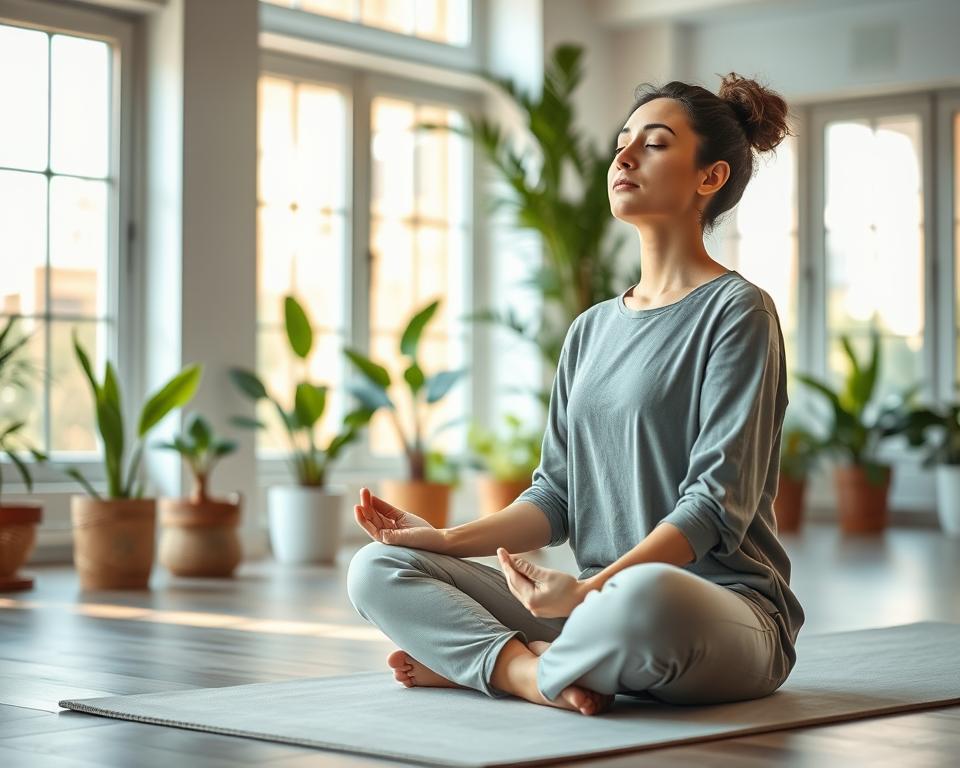
The 4-7-8 method gives your exhale twice as long as your inhale. This simple pattern is one of several breathing techniques to relax when stress begins to build.
Slow, steady breaths may support anxiety control by helping your body move toward its relaxation response. Try them during a tense moment or before bed.
Breathing exercises can help, but they do not replace mental health care. Practice when you feel calm, too, so the steps feel easier when you need them.
Key Takeaways
- Slow breathing may help ease everyday tension.
- The 4-7-8 method uses an inhale, a breath hold, and a longer exhale.
- Regular practice can make a technique easier to use.
- Breathing exercises can complement, but not replace, mental health care.
Why slower breathing can ease tension quickly
When tension rises, breathing can turn quick and shallow. Slowing each breath may support the relaxation response, helping the body rest and recover while easing its alert state.
In research using repeated 4-7-8 cycles, heart rate and blood pressure improved right away. This suggests breathing techniques to relax may reduce agitation and physical tension, but results can vary.
Slow breathing can help with anxiety control, but it cannot cure anxiety or insomnia. If a technique feels uncomfortable, return to a natural, easy breath.
How to prepare your body for a calming breathing exercise
Before using breathing techniques to relax, choose a quiet spot with few distractions. Sit, lie down, or stand comfortably. Keep your spine upright without forcing it, and let your shoulders drop.
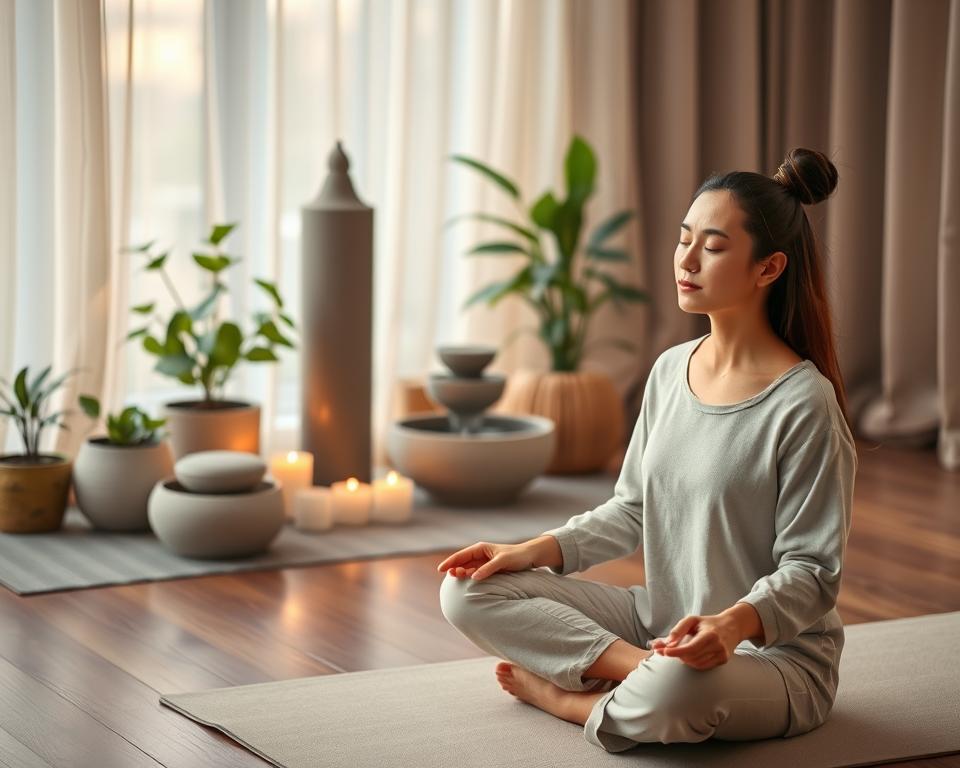
For 4-7-8 breathing, rest your tongue tip on the roof of your mouth, behind your upper teeth. This step can help you settle into the exercise.
If you’re learning diaphragmatic breathing, begin by lying down. Place your hands on your abdomen and notice it rise and fall with each breath. Once familiar, try the same practice while seated. These simple mindfulness exercises can help you focus on your breath.
How to practice diaphragmatic breathing
Sit in a chair or lie down in a comfortable position. Place one hand on your chest and the other on your abdomen. Breathe in slowly through your nose, letting your abdomen rise while your chest stays as still as possible.
Breathe out through your mouth and feel your abdomen fall. Keep the breath gentle and do not force it. Try six to ten slow breaths in one round.
Daily practice for about 10 minutes can make this one of your go-to breathing techniques to relax.
Try a counted rhythm for about five minutes. Breathe in for four counts, hold for two, breathe out for five, then pause for two with your lungs empty.
Skip the holds if they feel uncomfortable. The aim of diaphragmatic breathing is to keep a steady, easy rhythm.
| Practice option | How to do it | Suggested time |
|---|---|---|
| Slow belly breaths | Inhale through your nose as your abdomen rises; exhale through your mouth as it falls. | Six to ten breaths per round; about 10 minutes a day |
| Counted rhythm | Inhale for four counts, hold for two, exhale for five, and pause for two. | About five minutes, as comfortable |
How paced breathing with a longer exhale works
Paced breathing gives your mind a steady rhythm to follow. Try inhaling for three counts, holding for three, and exhaling for three. Repeat the pattern at a comfortable pace.
To lengthen your out-breath, inhale for four counts, hold for two, exhale for five, pause for two before starting again. A slow exhale may help your body move toward its relaxation response.
Focus on each breath as it rises and falls. Shorten the counts if you feel strained or lightheaded. A gentle pace can support anxiety control without forcing your breath.
When box breathing can help you regain focus
Box breathing gives your attention a simple task during a tense moment. Try it before a meeting, while studying, or when your thoughts feel scattered. Breathe slowly through your nose to create a gentle sense of resistance.
Inhale for four counts, then exhale for four counts. Move from one breath to the next without holding your breath. If four counts feel hard, start with three.
As the rhythm becomes comfortable, slowly increase the count.
This steady pattern is one of several breathing techniques to relax and settle your attention. Keep each breath easy, and stop if you feel dizzy or uncomfortable.
How to use the 4-7-8 breathing technique
Sit, lie down, or stand in a comfortable position. Rest the tip of your tongue against the roof of your mouth, just behind your front teeth.
Inhale through your nose for four seconds. Hold your breath for seven seconds, then exhale slowly through your mouth for eight seconds. Keep your tongue in place as you breathe out.
Start with three or four cycles, then pause before another set. The 4-7-8 method may support anxiety control during stressful moments or help you wind down before bed. Practice once or twice daily, adding cycles only when comfortable; the slow exhale can encourage your body’s relaxation response.
How pursed-lip breathing can slow a rushed breath
Pursed-lip breathing makes each exhale slower and steadier. Relax your shoulders, breathe gently through your nose, then exhale through lips shaped like you are blowing on hot soup. Make your exhale longer than your inhale, but keep it easy and do not force it.
This simple form of controlled breathing can help when your breath feels rushed. It is one of several breathing techniques to relax. For a different rhythm, try alternate nostril breathing by switching which nostril you breathe out through for a few minutes.
| Step | What to do | Helpful cue |
|---|---|---|
| Inhale | Breathe in softly through your nose. | Keep your shoulders loose. |
| Exhale | Breathe out through gently pursed lips. | Make the exhale longer, not harder. |
| Repeat | Continue at a calm, comfortable pace. | Stop if you feel unwell. |
What to do if a breathing exercise feels uncomfortable
If a count feels hard to follow, shorten it. With box breathing, use three counts for each step instead of four. For 4-7-8 breathing, begin with four cycles, stop if strained, and add more only when comfortable.
Return to your normal breath if you feel dizzy or tense. For anxiety control, focus on your breath or the body part you are relaxing. These mindfulness exercises work best when you do not force your breathing.
Paced breathing can support relaxation, but it cannot replace care. If anxiety or insomnia persists, talk with a health care professional or mental health provider.
How often should you practice breathing to relax?
A short daily practice helps breathing techniques to relax feel familiar when tension rises. Start with five minutes, or take a few calm breaths during a break.
For diaphragmatic breathing, aim for about 10 minutes a day if comfortable. Keep each breath slow and easy, or split the time into shorter sessions.
Practice the 4-7-8 method once or twice a day, including before bed or during a stressful moment. Begin with a few cycles, and stop if you feel dizzy or strained.
How to choose the right technique in a tense moment
Choose a method that feels simple enough to use right away. If counting helps you focus, try box breathing. Inhale and exhale for the same count, starting at three if four feels hard.
For diaphragmatic breathing, place one hand on your chest and another on your abdomen. Breathe in gently and notice your abdomen expand more than your chest.
If you want a steady pattern, try alternate nostril breathing. Breathe in through one nostril and out through the other. Switch sides with each breath, and stop if it feels uncomfortable.
When tension sits in your muscles, progressive muscle relaxation may work better. Briefly tense and release your arms, legs, shoulders, forehead, and jaw while breathing calmly. Notice the change between tightness and ease, then rest for about two minutes.
Make one calming breathing technique part of your routine
Choose one of the breathing techniques to relax and practice it at a calm time each day. A few steady rounds can help you notice your breath and build a habit for tense moments. Stop or breathe normally if you feel uncomfortable.
Pair slow breathing with mindfulness exercises, light stretching, or progressive muscle relaxation. These habits may support the relaxation response, but no method works the same way for everyone.
At bedtime, try 4-7-8 breathing as part of a quiet routine. Dim the lights, use screens less, and keep regular sleep and wake times. The practice may calm racing thoughts, but it does not directly cause sleep or replace care for insomnia.




